
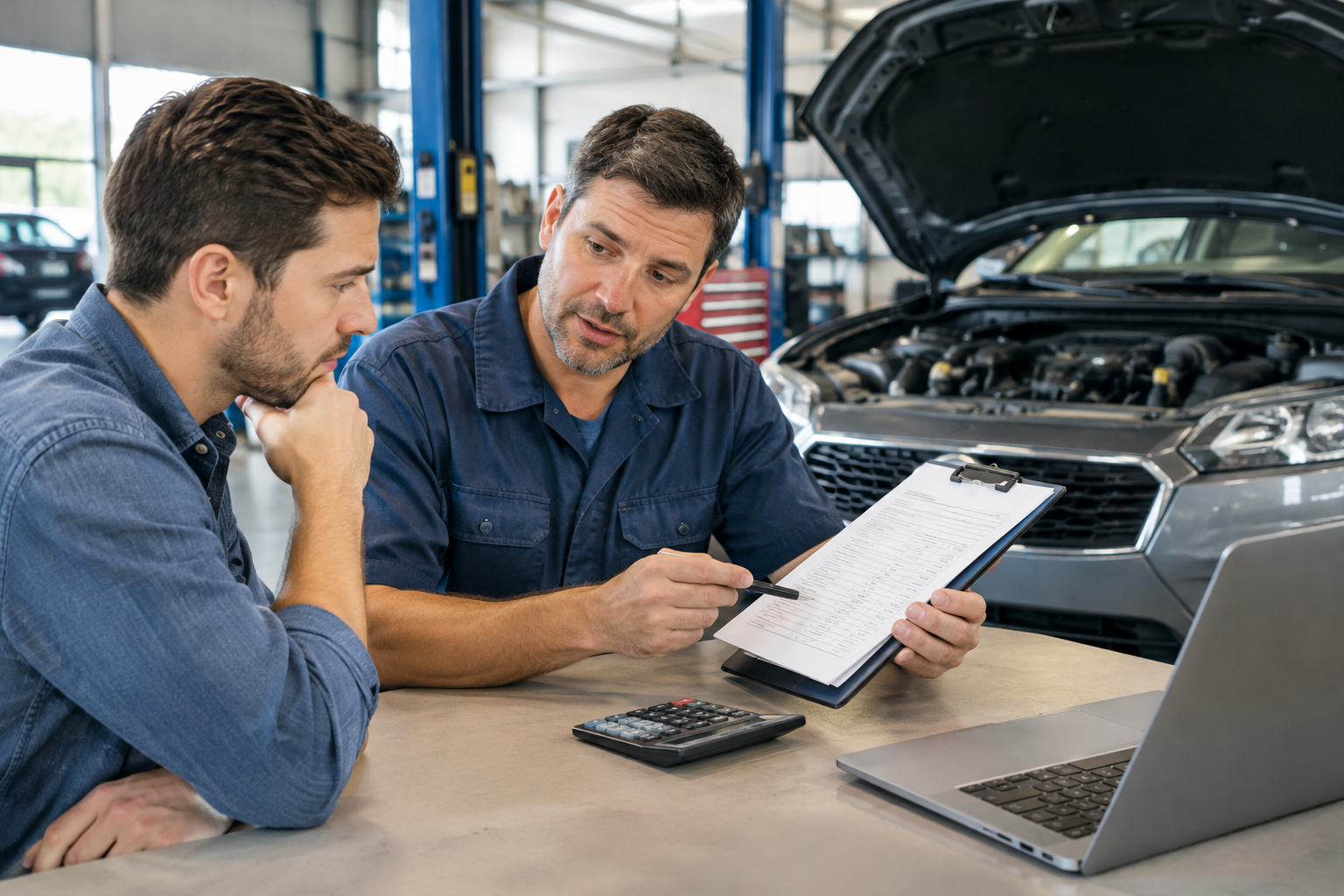
Unexpected vehicle problems can put pressure on your finances, particularly when you rely on your car to get to work, transport your family, and handle daily activities. Repairs such as replacing a battery, fixing brakes, repairing an engine, or replacing a transmission can become expensive. If your savings are insufficient to pay for unexpected repairs, exploring emergency car repair financing options may help you identify a suitable way to cover the cost. the expense.
Before choosing a borrowing option, consider the total cost, repayment schedule, and your ability to make payments without putting other essential expenses at risk.
What Are Emergency Loans for Car Repairs?
Emergency car repair financing allows drivers to explore borrowing options when unexpected vehicle expenses arise. In many cases, borrowers use personal loans to cover repair costs and repay the borrowed amount through scheduled monthly installments.
When reviewing a loan application, lenders may consider the borrower's earnings, employment situation, credit profile, existing financial commitments, and desired loan amount. Meeting the application requirements does not guarantee approval, and available rates and repayment terms depend on the lender and the applicant's financial profile.
Common Emergency Loan Options for US Drivers
1. Personal Loans
If you cannot afford a large repair bill upfront, a personal loan may provide another way to finance the necessary work. Many personal loans are unsecured, meaning borrowers do not have to use their vehicle as collateral.
Keep in mind that interest and any applicable origination fees can raise the overall cost of borrowing. Compare annual percentage rates (APRs), monthly payments, repayment periods, and lender requirements before applying.
2. Auto Repair Financing Through a Mechanic
Some repair shops offer financing programs or payment plans that allow customers to spread repair costs over time. This type of financing may be useful when your car requires prompt repairs and paying the full amount upfront is difficult.
Before accepting a financing offer, check the introductory interest rate, qualification criteria, deferred-interest terms, potential late charges, and penalties or other consequences associated with missed payments. Read the agreement carefully before accepting financing.
3. Credit Cards
Drivers may also consider using a credit card to cover repair expenses if the service provider accepts card payments. An introductory 0% APR offer could reduce interest costs during the promotional period if you meet the terms.
Standard credit card APRs can make unpaid balances expensive. Before charging the repair, estimate your monthly repayment capacity and review the expiration date and conditions of any introductory interest rate.
4. Credit Union Loans
Eligible members may be able to access personal loans or smaller loan products through certain credit unions across the United States. These may be worth comparing with offers from banks and online lenders.
Membership requirements, interest rates, funding times, and loan amounts vary. Speak with your credit union to learn about its lending products, membership requirements, and application conditions.
How to Compare Emergency Car Repair Loans
When researching Car Repair Financing Options for Unexpected Expenses, focus on more than how quickly you can receive the money.
Consider these important factors:
Compare loan offers by examining their annual percentage rates (APRs) and any additional fees to understand the total cost of borrowing.
Loan amount: Borrow only what you need to cover necessary repairs.
Monthly payment: Make sure the payment fits your income and regular expenses.
Loan Repayment Period: Extending the repayment period may lower your monthly payment, but it can increase the total interest you pay.
Time to Receive Funds: Check the expected funding timeline and confirm when the money may reach your account.
Application Requirements: Check the lender's credit, income, and other eligibility criteria before submitting an application.
Request a written repair estimate before applying so you have a realistic idea of the amount required.
Alternatives to Borrowing Money
Borrowing money is not the only way to handle an unexpected repair bill. Check your car insurance documents, warranty terms, or vehicle service contract to see whether the necessary repairs are covered. The amount covered depends on the applicable terms and the nature of the damage.
You can also ask the mechanic whether the repair can be completed in stages, request a second estimate, or discuss a payment arrangement. If possible, using available emergency savings may help you avoid interest charges.
Be cautious of lenders promising guaranteed approval or demanding upfront fees before providing a loan. High-cost short-term borrowing may add financial pressure, particularly when your budget is already stretched.
Final Thoughts
Sudden car repair expenses can affect both your everyday plans and your monthly finances. Exploring Car Repair Financing Options for Unexpected Expenses can help you understand personal loans, mechanic financing, credit cards, and credit union options before making a decision.
Compare the total borrowing cost, review every agreement, and choose a repayment plan that fits your financial situation. For more information about borrowing options and personal finance, visit [Speedy CreditNet](https://speedycreditnet.com/) and continue researching the choices available to US borrowers.